

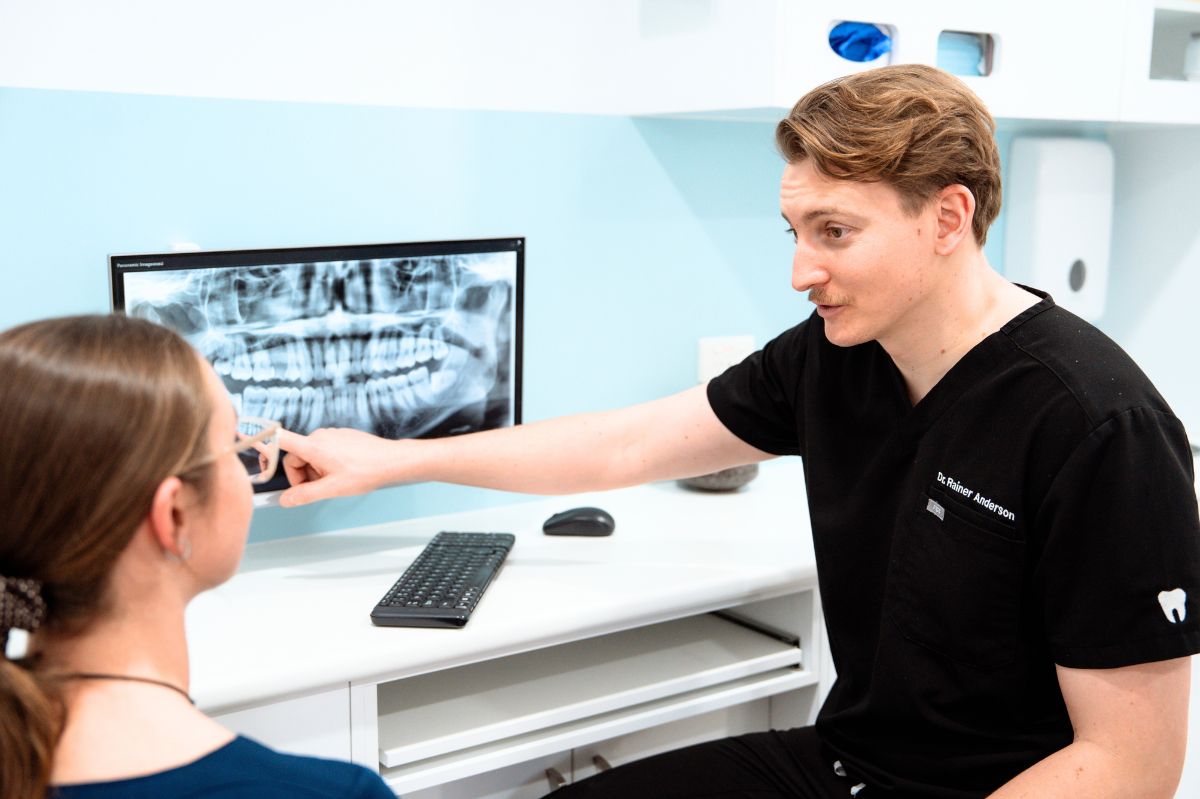
How to Outwit Wisdom Tooth Pain (and Stay Sane!)
5 minute read
Not everyone has all four wisdom teeth—some people have only one or two, and some have none at all. For those who do, having wisdom teeth come through can sometimes be uncomfortable or even painful. Because they are the last teeth to erupt, wisdom teeth are more likely to cause issues like crowding, infections, or general soreness—even if they come through normally.
Even if a wisdom tooth isn’t causing any trouble, the best thing to do is speak with a dentist so they can check how they are growing. This way, you can plan ahead to either keep them or lose them.
If you’re already in pain, book an appointment with one of our dentists, they will examine your mouth and suggest the most effective ways to ease your discomfort, whether that’s through medication, home care tips, or removing a problematic tooth.
Read this guide to find out why wisdom teeth are painful and how to manage wisdom tooth pain and preserve your oral health. If you’re struggling with wisdom tooth pain, book an appointment with our Kelmscott dentists today.
Types of wisdom tooth pain

Wisdom teeth, also called third molars, erupt at the back of the mouth. There are usually four wisdom teeth that erupt between the ages of 17 and 25, but they can come through later. Wisdom teeth may cause different types of pain, including:
- Jaw pain: This can be the earliest sign of a wisdom tooth on the move! More severe jaw pain or other problems, such as difficulty opening your mouth, could be signs of a misaligned wisdom tooth.
- Gum pain: Like other teeth, wisdom teeth can cause soreness in the gums as they erupt. If your gum is red, swollen or the tooth is only partly through, this can indicate an impacted wisdom tooth.
- Headaches: Wisdom teeth in the upper jaw can put pressure on the sinuses, leading to headaches.
Some pain is to be expected when a new tooth comes through, including wisdom teeth, but if you have more severe pain or other unexpected symptoms, you should talk to a dentist.
What causes wisdom tooth pain?
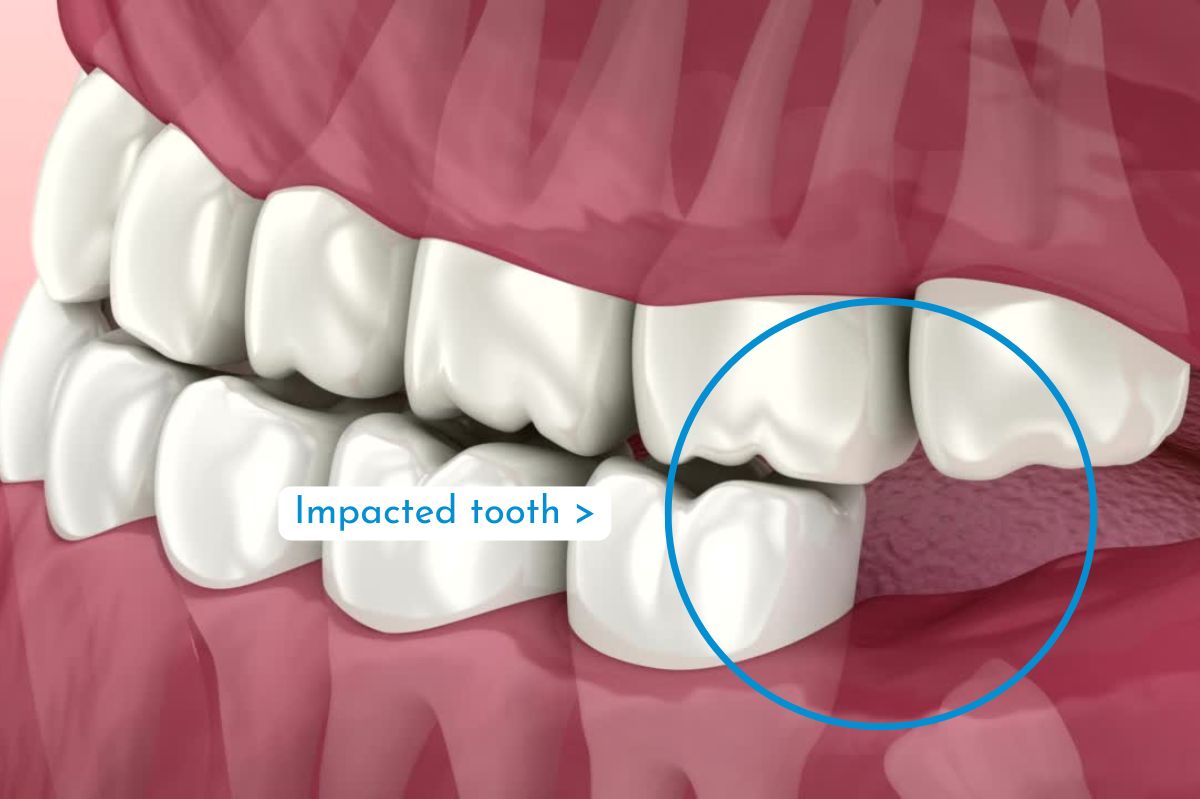
Wisdom teeth can sometimes cause pain while they’re moving under the gum or even after they’ve come through. This can happen for a few reasons:
- Eruption: You may feel soreness in the gum or jaw as the tooth pushes through. Chewing can also cause discomfort.
- Inflammation: Swelling of the gum around the tooth can be a sign of infection. In some cases, the tooth may need to be removed surgically.
- Impaction: Some wisdom teeth don’t have enough room to grow properly. They may get stuck under the gum, putting pressure on nearby teeth or becoming prone to infection. Partially erupted teeth can be hard to clean and may cause ongoing problems.
- Tooth decay: Wisdom teeth that are hard to reach when brushing can trap bacteria and food. Over time, this can lead to decay, infection, and pain.
Tooth pain comes from the nerves inside the roots. Conditions like tooth decay can inflame the dental pulp—the soft tissue at the centre of the tooth—causing varying levels of pain. You may notice your tooth is more sensitive to hot, cold, sweet, or acidic foods and drinks*.
If you’re not sure what’s causing your wisdom tooth pain, or you think there might be a problem, you should make an appointment with a dentist as soon as possible. They will ask about your symptoms and examine your tooth and jaw to determine whether an extraction or other treatment is needed. To talk to a dentist in Kelmscott, call us today on (08) 9495 7999.
* Tara Renton, Nairn HF Wilson. Understanding and managing dental and orofacial pain in general practice. British Journal of General Practice 2016; 66 (646): 236-237. DOI: 10.3399/bjgp16X684901.
How to manage wisdom tooth pain

Whether you’re waiting for your wisdom tooth to come through or having it removed and waiting for a surgery date, there are several ways to manage the pain in the meantime. Your dentist can recommend the best pain relief for your situation, which may include:
- Over-the-counter medication
- Prescription medication
- Home remedies
Over-the-counter or prescription medication
Standard pain relief medications like paracetamol and ibuprofen are often effective for easing wisdom tooth discomfort. They are also commonly used after a tooth is removed to manage post-operative pain. Ibuprofen can be especially helpful because it also helps reduce swelling.
In some cases, your dentist may prescribe stronger pain relief or anti-inflammatory medication if needed. If an infection is present, they may also recommend a course of antibiotics.*
* Tara Renton, Nairn HF Wilson. Understanding and managing dental and orofacial pain in general practice. British Journal of General Practice 2016; 66 (646): 236-237. DOI: 10.3399/bjgp16X684901.
Home remedies for wisdom tooth pain
Some home remedies can help ease wisdom tooth discomfort, either alongside pain relief medication or if your pain is mild. These include:
- Diluted clove oil: Applying a small amount to the painful area may help reduce pain temporarily. Clove contains eugenol which has mild analgesic and antibacterial properties. Always use it diluted to avoid irritating your gums.
- Saltwater rinses: Gently rinsing with warm salt water can help reduce bacteria, soothe inflamed gums, and promote healing.
- Cold compress or ice pack: Placing a cold pack against the side of your face can help numb the area and reduce swelling for short periods.
While these methods can provide temporary relief, they don’t treat underlying issues such as infection or impacted teeth. If your pain persists, worsens, or comes with swelling, fever, or difficulty opening your mouth, it’s important to see a dentist urgently.
When does a wisdom tooth need to be removed?

Wisdom teeth don’t always need to be removed. However, if a tooth is causing pain, is likely to interfere with previous orthodontic treatment, or could lead to problems in the future, removal is usually recommended. In fact, studies suggest that up to 80% of wisdom teeth are extracted before the age of 70.*
Your dentist may recommend removing a wisdom tooth if it is:
- Causing ongoing or severe pain
- Impacted under the gum and unable to emerge, which could lead to infection or damage to nearby teeth and bone
- Partially erupted, making it harder to clean and more prone to cavities and infections
- Crowding other teeth, which could affect alignment
Removal isn’t always the only option. In some cases, dentists can reduce the size of a tooth or make a small incision in the gum to help an impacted tooth come through naturally. After assessing your mouth, your dentist will explain all of your options and help you decide what’s best.
Removing wisdom teeth early
Removing wisdom teeth at a younger age is often easier and leads to a smoother recovery. This is because:
- Roots aren’t fully formed yet: Younger teeth have shorter, less curved roots, making them easier to remove.
- Jawbone is softer: Softer bone means the dentist can access and remove the tooth more easily.
- Lower risk of complications: Surgery is usually less invasive, so there’s a lower chance of problems like dry socket or nerve irritation.
- Faster healing: Younger patients tend to recover more quickly, with less swelling and discomfort.
- Prevents future issues: Removing wisdom teeth early can help avoid pain, infections, or crowding later in life.
- Fewer life commitments: Younger patients often have more flexibility in their schedules, making it easier to plan surgery and allow time for recovery.
Overall, taking care of wisdom teeth sooner rather than later can make the process simpler and help keep your mouth healthier in the long term.
* Tara Renton, Nairn H F Wilson. Problems with erupting wisdom teeth: signs, symptoms, and management. British Journal of General Practice 2016; 66 (649): e606-e608. DOI: 10.3399/bjgp16X686509.
What other problems can wisdom teeth cause?
In addition to pain, wisdom teeth can sometimes cause other issues if they don’t come through properly. These may include swollen or infected gums, jaw discomfort, and, in rare cases, cysts or tumours.
If a wisdom tooth causes crowding or shifts other teeth out of alignment, it can affect your bite and make your teeth harder to clean. This can increase the risk of tooth decay, cavities, and gum disease over time.
If you’re experiencing severe wisdom tooth pain or think you may have an infection, you should make an emergency dentist appointment without delay.
Is wisdom tooth removal painful?
Removing a wisdom tooth can be straightforward or more complex, depending on whether the tooth is easy to access or impacted in the gum. The good news is that the procedure itself shouldn’t be painful. Your dentist will numb your mouth with a local anaesthetic and may also recommend sedation to help you feel more comfortable and relaxed during the procedure.
After the tooth is removed, you may experience some temporary pain or swelling. This can usually be managed with over-the-counter pain relief and simple home care. It’s important to:
- Get plenty of rest
- Avoid touching the area where the tooth was removed
- Be careful with hot and cold foods and drinks
- Avoid drinking through a straw while your mouth heals
Wisdom tooth removal costs
The cost of wisdom tooth removal varies depending on whether the procedure is straightforward or more complex and depends on whether the tooth can be easily accessed or needs to be surgically accessed and removed. Here’s a quick overview of wisdom tooth removal costs to expect:
Four teeth removal starts from $1,234, which usually includes:
- Consultation: $85
- Panoramic X-ray (OPG): $150
- Simple extraction of four teeth: $912 ($228 each)
- Local anaesthesia: $68
- Medication: $19
Optional or additional costs:
- 3D CBCT scan: $226 (used to check tooth roots and nearby nerves)
- IV sedation or general anaesthesia: $119
- Anaesthetist and hospital fees: as quoted by the anaesthetist / hospital
Types of extractions:
- Simple: from $228 per tooth
- Complex: $284–$354 per tooth
- Surgical: from $458 per tooth
Treatment under IV sedation takes place at the clinic while treatment under general anaesthesia is performed in hospital. Patients with private health insurance should check with their insurer to see what may be covered under each sedation option.
Prices accurate as of August 2025. A full, personalised quote will be provided after your consultation.
When to see a dentist after wisdom tooth removal
Wisdom tooth removal is a routine dental procedure that has a low risk of complications when it’s provided by an experienced dentist, but any procedure carries some risk. Your dentist will explain what these possible risks are before you agree to have the treatment.
While most wisdom tooth removals are straightforward, some possible complications may include:
- Infection at the extraction site
- Temporary or, rarely, permanent nerve or surrounding tooth damage
- Risks associated with surgery or sedation
A dry socket is another possible complication, though it is rare. This happens when the blood clot that normally forms over the extraction site is dislodged or doesn’t form properly. Without this protective clot, the bone and nerves are exposed, which can be painful and increase the risk of infection. Treatment for a dry socket usually involves your dentist cleaning the area, placing a medicated dressing to protect it and ease pain, and recommending pain relief.
What our patients say
“I had a very painful wisdom tooth removed. What a very professional team who looked after me well, checked how I was going and cracked the odd joke, as it was a longer than usual procedure. Thank you for first class dental care. Highly recommended.” – Lyndon Jackson
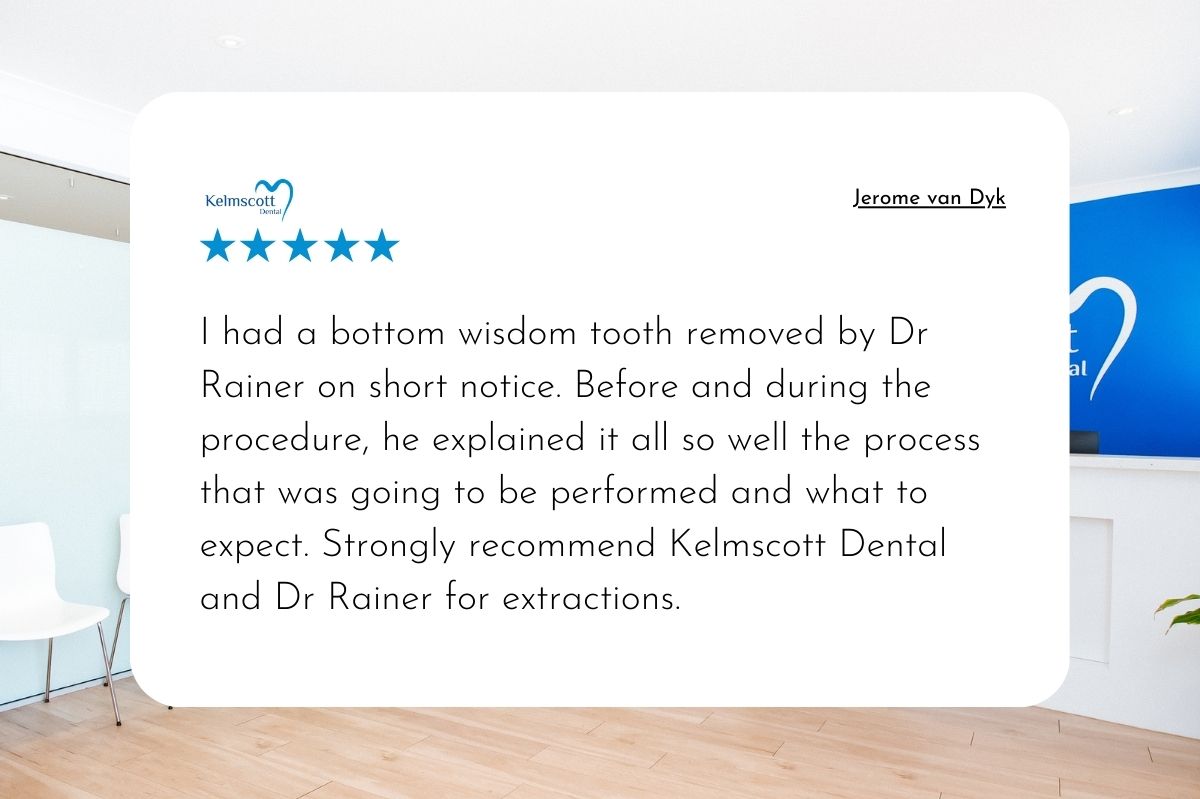
“I had a bottom wisdom tooth removed by Dr Rainer on short notice. Before and during the procedure, he explained it all so well the process that was going to be performed and what to expect. Strongly recommend Kelmscott Dental and Dr Rainer for extractions.” – Jerome van Dyk
“They did an amazing job with my wisdom teeth! Hardly any pain or swelling. Great service and care as always.” – Tashiana Morren
Have a wisdom tooth problem in Perth?
Do you need to talk to a local dentist about wisdom tooth pain or other symptoms? Call (08) 9495 7999 to get in touch with our friendly team at Kelmscott Dental or make a booking online. We see patients from all nearby suburbs, including Armadale and Gosnells.
References
- Tara Renton, Nairn HF Wilson. Understanding and managing dental and orofacial pain in general practice. British Journal of General Practice 2016; 66 (646): 236-237. DOI: 10.3399/bjgp16X684901. Available from: https://bjgp.org/content/66/646/236
- Tara Renton, Nairn H F Wilson. Problems with erupting wisdom teeth: signs, symptoms, and management. British Journal of General Practice 2016; 66 (649): e606-e608. DOI: 10.3399/bjgp16X686509. Available from: https://bjgp.org/content/66/649/e606
